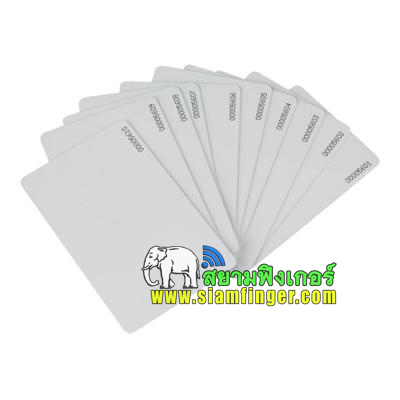
An access control system decides who can enter which area and when. Unlike traditional keys, which are easy to copy and leave no record, it makes permissions easy to manage and gives you an audit trail.
Main components
1. Credential reader
A keycard reader, fingerprint scanner or face recognition terminal checks whether the user may open the door.
2. Electric lock
A magnetic lock or drop bolt keeps the door locked and releases on a signal from the reader.
3. Power supply and backup battery
Provides stable power to the system and keeps it running during a power cut.
4. Exit button
Mounted inside the room to open the door when leaving — push-button or touchless infrared.
5. Break glass
An emergency release so everyone can get out immediately, for example in a fire.
6. Accessories
Exit readers for card-out, door remotes, and L, Z and U brackets for the lock.
How it works
- The user presents a card, finger or face.
- The device checks it against registered users.
- If valid, it signals the lock to release briefly.
- The system logs who entered and when.
- When the door closes, the lock re-engages automatically.
Business benefits
- Keeps outsiders out of sensitive areas.
- No lock changes when staff leave — just delete their card.
- Entry/exit history for review.
- Permissions by person or time (model dependent).
Standalone or networked?
For one or two doors, a standalone reader is simple and cost-effective. Buildings with many doors benefit from networked models managed centrally. Siam Finger will design a system that fits your door count and budget.